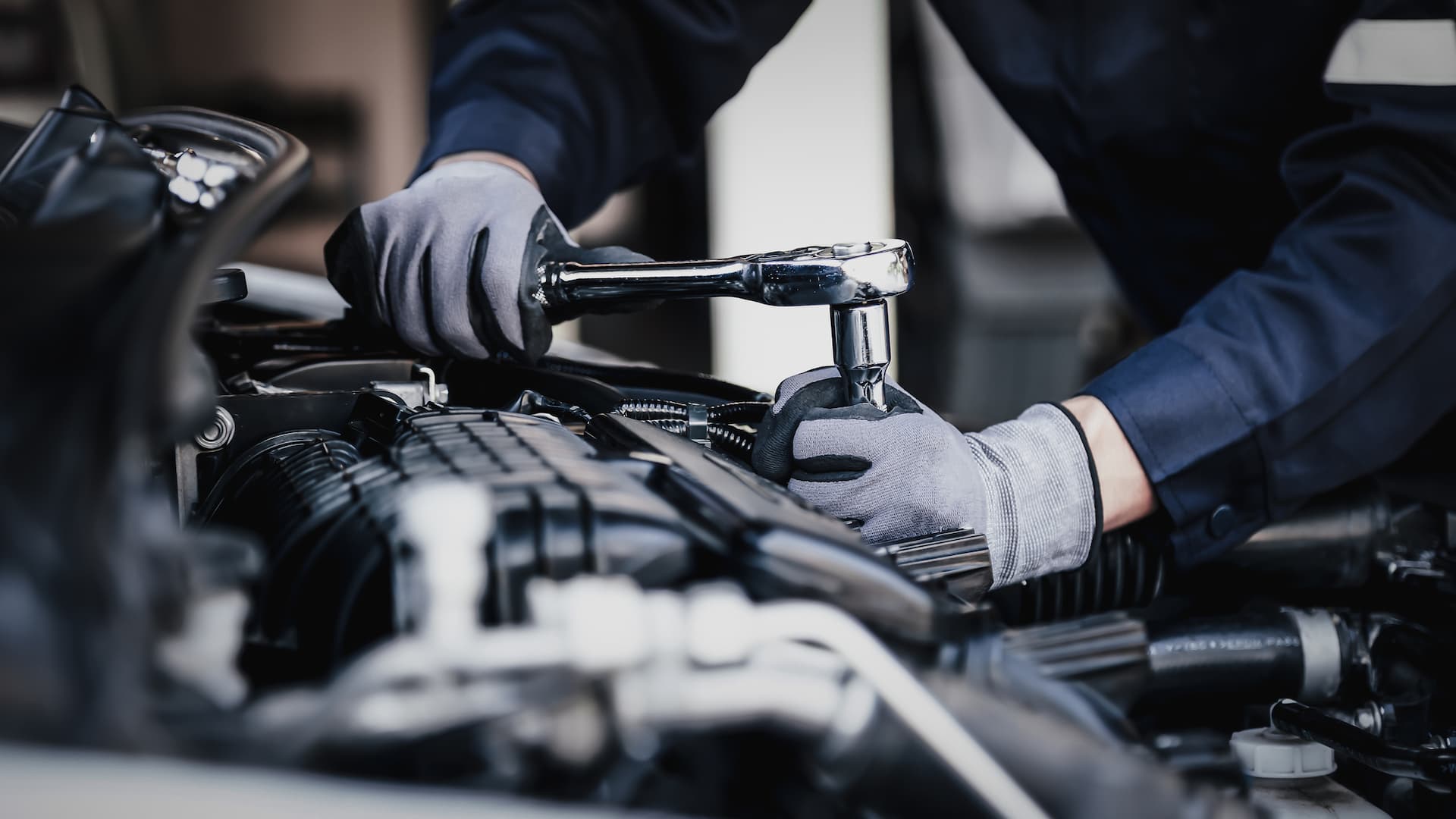
A car is more than a way to travel from one place to another. It is a complex machine with hundreds of components that need to work together safely and efficiently. Regular maintenance helps identify small problems before they develop into expensive repairs. Simple habits such as checking fluid levels, monitoring tire pressure, replacing worn filters, and paying attention to unusual sounds can make a meaningful difference to your vehicle’s reliability. Good maintenance can also improve fuel efficiency, driving comfort, and road safety. Whether you drive a compact city car, family SUV, sedan, or pickup, following a consistent maintenance routine is one of the smartest ways to protect your investment.
Build a Simple Maintenance Routine
The easiest way to maintain a vehicle is to create a routine rather than waiting until something goes wrong. Check your owner’s manual for the manufacturer’s recommended service intervals because maintenance requirements vary by vehicle, engine, mileage, and driving conditions. Keep a record of oil changes, inspections, tire rotations, filter replacements, and other important work. A maintenance log makes it easier to understand what has already been completed and what may be due soon.
Drivers who spend considerable time on busy roads should also pay attention to warning signs between scheduled services. A dashboard warning light, unusual vibration, fluid leak, burning smell, or change in braking performance should not be ignored. Addressing these symptoms early can prevent a minor issue from becoming a major mechanical problem.
Check Engine Oil Regularly
Engine oil lubricates moving components, helps control heat, and reduces friction inside the engine. Driving with insufficient or excessively degraded oil can increase wear and may eventually cause serious engine damage. Check the oil level according to the procedure described in your owner’s manual, usually when the vehicle is parked on a level surface and the engine has been switched off for the recommended period.
Oil changes should follow the manufacturer’s specified interval rather than relying on a universal mileage figure. Modern vehicles may use different oil types and specifications, so always select the correct product for your engine. If the oil level repeatedly drops between services, have the vehicle inspected because a leak or internal engine issue may be responsible.
Keep Tires Properly Inflated
Tires directly affect braking, handling, fuel consumption, and overall driving stability. Incorrect tire pressure can cause uneven tread wear and reduce the tire’s ability to perform properly. Check pressure regularly, particularly before long journeys or when carrying heavier loads. Use the recommended pressure shown in the vehicle’s manual or on the manufacturer’s tire-pressure label rather than the maximum pressure printed on the tire itself.
Inspect the tread for unusual wear, cracks, bulges, or embedded objects. Tire rotation may also be recommended at specific intervals to promote more even wear. If your vehicle has a spare tire, check its condition as well. A spare that has been ignored for years may not be ready when you actually need it.
Inspect Brakes and Suspension Components
A healthy braking system is essential for safe driving. Pay attention to squealing, grinding, vibration, pulling to one side, or a brake pedal that feels unusually soft. These symptoms can indicate worn brake components or another problem requiring professional inspection.
Suspension components deserve attention too. Excessive bouncing, uneven tire wear, knocking sounds, or changes in handling may point to worn shocks, struts, bushings, or related components. Because braking and suspension systems influence vehicle control, repairs should not be postponed when noticeable symptoms appear.
Maintain Essential Fluids
Vehicles depend on several fluids to operate correctly. Besides engine oil, depending on the vehicle, these may include coolant, brake fluid, transmission fluid, power-steering fluid, and windshield-washer fluid. Each serves a different purpose and must be maintained according to the manufacturer’s specifications.
| Maintenance Item | What to Check | Why It Matters |
|---|---|---|
| Engine oil | Level and condition | Lubricates engine components |
| Coolant | Level and leaks | Helps control engine temperature |
| Brake fluid | Level and condition | Supports braking performance |
| Transmission fluid | Level and condition where applicable | Helps transmission operation |
| Washer fluid | Reservoir level | Maintains windshield visibility |
| Tire pressure | Pressure and tread | Supports handling and tire life |
Never mix fluids simply because they appear similar. Using an incorrect specification can cause damage to vehicle systems. If you notice a sudden fluid loss, investigate the cause rather than repeatedly topping up the reservoir.
Replace Filters When Required
Air and cabin filters are inexpensive components that can have an important effect on vehicle operation and comfort. The engine air filter helps prevent dirt and debris from entering the engine’s intake system. A heavily clogged filter can restrict airflow and may affect engine performance.
The cabin air filter helps clean air entering the passenger compartment. Replacing it at the recommended interval can improve airflow and reduce dust and unpleasant odors. Drivers who frequently travel through dusty environments may need more frequent inspections than those driving primarily in cleaner conditions.
Take Care of the Battery
A weak battery can leave you stranded without warning, particularly during extreme temperatures. Check the battery terminals for visible corrosion and make sure connections are secure. If your vehicle uses a conventional serviceable battery, follow the manufacturer’s instructions regarding fluid and maintenance requirements.
Pay attention to symptoms such as slow engine cranking, dimming lights, or repeated starting difficulties. These signs may indicate a battery that is nearing the end of its useful life or a charging-system problem. A professional battery and charging-system test can help determine the actual cause.
Pay Attention to Warning Signs
Your vehicle often provides clues before a serious failure occurs. Learning to recognize them can save both time and money. Warning lights should never be treated as decoration on the dashboard. Some indicate conditions that require immediate attention, while others may allow you to drive cautiously to a service facility.
Other useful warning signs include:
- Unusual engine noises or vibrations
- Sudden changes in fuel economy
- Fluid spots underneath the vehicle
- Difficulty starting the engine
- Steering that feels loose or unusually heavy
- Persistent warning lights
- Strange smells from the engine or cabin
Early diagnosis is usually easier and less expensive than repairing damage caused by continued driving.
Keep the Exterior and Interior Clean
Cleaning is not only about appearance. Dirt, road salt, moisture, and other contaminants can contribute to corrosion, especially around the underside, wheel arches, and exposed metal surfaces. Regular washing can help remove damaging buildup. If you live in an area with heavy rain, dust, or salty roads, exterior cleaning may need to be more frequent.
The interior also benefits from regular care. Remove debris, clean glass surfaces, and inspect floor mats. Clear windows and mirrors improve visibility, while an uncluttered cabin can make driving more comfortable. Do not overlook windshield wipers; damaged or hardened blades can reduce visibility during rain.
Drive in a Maintenance-Friendly Way
Driving habits have a direct influence on vehicle wear. Aggressive acceleration, harsh braking, excessive speeding over bumps, and unnecessary high engine speeds can place additional stress on mechanical components. Smooth acceleration and gradual braking generally provide a more comfortable driving experience and can reduce unnecessary wear.

Short trips can also be demanding on some vehicles because the engine may not reach its normal operating temperature. If your driving pattern consists mainly of short journeys, follow the manufacturer’s maintenance recommendations carefully. Allowing maintenance intervals to stretch indefinitely simply because the vehicle has accumulated fewer kilometers is not always appropriate.
Follow the Manufacturer’s Service Schedule
A service schedule is one of the most useful references for long-term vehicle ownership. It typically identifies when particular inspections, fluid replacements, filter changes, belt checks, and other maintenance tasks should occur. Following this schedule can also help preserve the vehicle’s reliability and, where applicable, support warranty requirements.
Keep invoices and service records in one place. A well-documented maintenance history can make future troubleshooting easier and may add value when you eventually sell the vehicle. Online automotive information can supplement your knowledge, but your vehicle’s official manual should remain the primary reference for specifications and service intervals.
For drivers researching broader automotive information, sites such as itsftasiatrading.com may appear alongside general vehicle-related resources, but maintenance decisions should always be based on reliable vehicle-specific guidance.
Prepare Before Long Road Trips
A pre-trip inspection can prevent avoidable problems during a long journey. Check tire pressure and condition, engine oil, coolant level, windshield washer fluid, lights, wipers, and brakes. Make sure emergency equipment is accessible and that your spare tire or tire-repair system is ready for use.
It is also wise to inspect the vehicle for unusual leaks or noises before departure. If scheduled maintenance is already due, completing it before a long trip is preferable to postponing it. A few minutes of preparation can reduce the likelihood of an inconvenient roadside breakdown.
Automotive technology continues to evolve, and resources such as itstechguporg.com may discuss technology-related vehicle developments, but practical maintenance still begins with basic inspections and responsible driving habits.
Know When Professional Help Is Necessary
Basic checks are useful, but not every repair should be performed at home. Modern vehicles can contain sophisticated electronics, advanced driver-assistance systems, computerized engine controls, and specialized components that require diagnostic equipment and trained technicians.
Seek professional assistance when you notice serious braking problems, overheating, major fluid leaks, persistent dashboard warnings, electrical failures, steering problems, or unfamiliar mechanical noises. Trying to repair an unfamiliar system without proper tools or knowledge can create additional damage or compromise safety.
Keeping up with general automotive information, including material found on sites such as itssinknewscom.com, can improve awareness, but professional inspection remains important whenever a vehicle develops a potentially serious fault.
Make Maintenance a Long-Term Habit
Good car care does not require complicated routines every day. What matters most is consistency. Check the basics regularly, follow the manufacturer’s service recommendations, respond quickly to warning signs, and keep accurate maintenance records. These habits can help your vehicle remain dependable while reducing the likelihood of unexpected repair bills.
A well-maintained car is also easier to drive confidently because you know its major systems are receiving appropriate attention. From tire pressure and engine oil to brakes, fluids, filters, and battery condition, small maintenance tasks collectively contribute to safer and more reliable transportation.
Conclusion
Effective car maintenance is ultimately about prevention. Regular inspections and timely servicing can protect important mechanical systems, improve reliability, support fuel efficiency, and help identify problems before they become expensive failures. You do not need to be an expert mechanic to take better care of your vehicle. Start with the basics, follow your manufacturer’s recommendations, pay attention to changes in performance, and involve a qualified professional when a problem goes beyond routine maintenance. With consistent care and responsible driving habits, your vehicle can deliver safer, smoother, and more dependable performance for many years.
Leave a Reply